
September
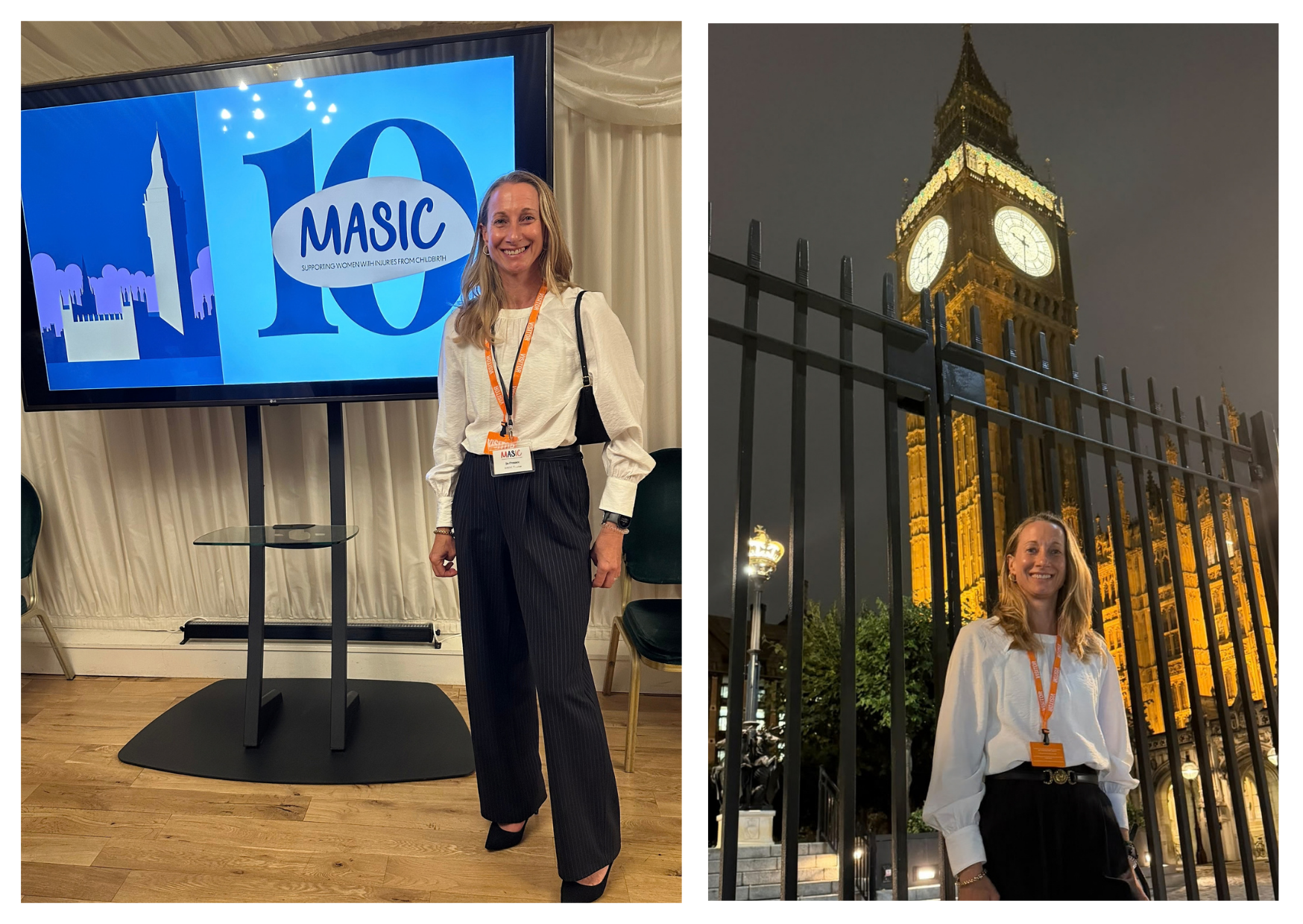
MASIC 10th Anniversary and “Counting the Cost of Birth Trauma” report launch
Reflecting on 10 Years of MASIC: Raising Awareness of Birth Injury and Its Lifelong Impact
I was honoured to attend the launch of the report ‘Counting the Cost of Birth Trauma’ at the Houses of Parliament, followed by the 10th-anniversary celebrations of the Birth Injury charity, the MASIC Foundation, held at the House of Commons Terrace Pavilion.
It was an evening of mixed emotions. The sobering findings of the report highlighted the far-reaching consequences of birth trauma, while the anniversary celebrations provided an opportunity to reflect on how far MASIC has come over the past decade in raising awareness of Obstetric Anal Sphincter Injuries (OASI), promoting injury prevention, and supporting women living with the physical consequences of birth injury.
MASIC is the only UK charity dedicated to supporting women who have sustained physical injuries during childbirth, helping to ensure that their voices are heard and their experiences recognised.
My own journey with MASIC began on 28 November 2019, when I attended its London event, ‘Consent During Childbirth and the Risk of OASI: Obstetric Anal Sphincter Injury’. It was there that I first discovered the charity and for the first time, encountered other women who understood what I had been living with for so many years.
I listened as women bravely shared their stories and spoke about the profound and often life-changing consequences of sustaining a third or fourth degree tear during childbirth. These are injuries that can have a devastating and lasting impact, affecting not only physical health but also emotional wellbeing, relationships, confidence and everyday life.
Until that moment, I had never met anyone else who had experienced what I had been through. Hearing those women speak was incredibly powerful. For years, my experience had felt isolating, but suddenly I was among people who understood. Their stories reflected so much of my own, and I realised I was not alone.
At the time I was waiting for stoma surgery and two weeks later I had a colostomy. After years of treatments and interventions had failed to control the debilitating faecal incontinence I experienced as a result of an OASI sustained during the birth of my son 21 years earlier. I made the decision to have a stoma in the hope of regaining my freedom, reclaiming my independence and restoring my quality of life.
After the delivery of my son, the severity of my perineal injury had been misdiagnosed and the damage to my anal sphincter muscles went unrecognised. Consequently, I missed the opportunity for the surgical repair I should have received. The consequences of that missed diagnosis have been life-changing, affecting my quality of life and many aspects of my life over the years.
Since becoming involved with MASIC, I have become passionate advocate about raising awareness of the long-term consequences of birth trauma and the support women need to navigate life after injury. I have spoken at numerous events, contributed to the All-Party Parliamentary Group (APPG) on Birth Trauma's inquiry, and supported many women struggling with the physical and emotional impact of their injuries. I also facilitate the MASIC birth injury peer support group in Guildford, providing a space where women can share their experiences, connect with others who understand, and feel less alone.
Looking back, discovering MASIC was a pivotal moment in my own journey. It connected me with women who understood, gave me a sense of community, and helped me find a voice to advocate for others.
Ten years of MASIC represents a decade of determination, compassion and progress in bringing birth injuries out of the shadows. Yet there is still so much more to do to improve prevention, ensure injuries are recognised and treated appropriately, and provide women with the support they deserve.
Every woman's story matters. No woman should have to navigate the lifelong consequences of a birth injury feeling isolated, unheard or forgotten.
MASIC shall continue to raise awareness, challenge the status quo and ensure that the voices of women affected by birth trauma remain at the heart of the conversation.